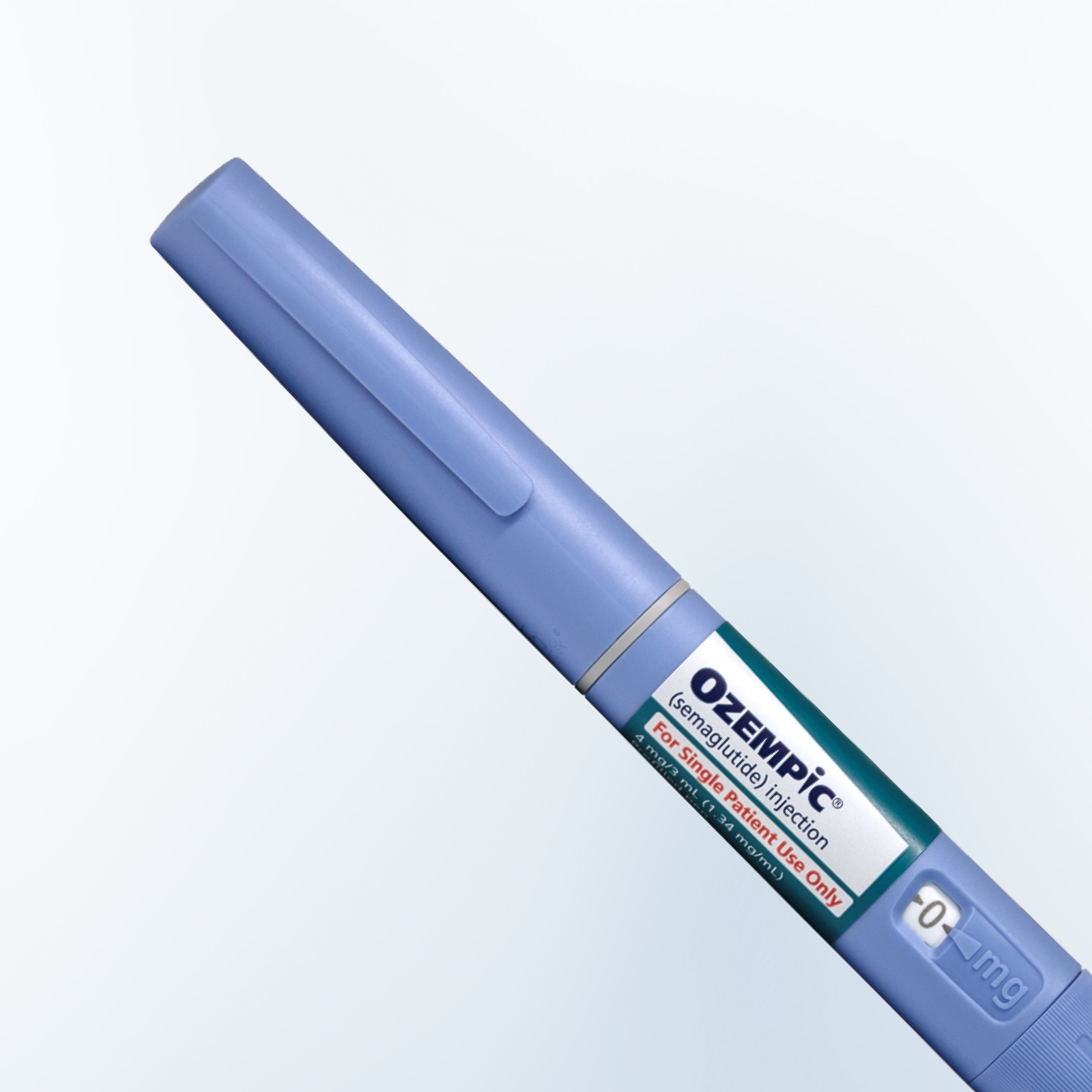
For most patients covered by private insurance, the transition to generic semaglutide will likely happen at the pharmacy level without requiring action on your part. When a generic enters the Canadian market, insurers typically update their formularies to list the generic as the preferred product. In practice, this means your pharmacist may dispense the generic version at your next refill unless your physician has specified that the brand-name product is medically necessary.
Both approved generics are expected to launch soon. Apotex has publicly stated it expects to bring its product to market in the very near future, though exact pharmacy availability dates have not been formally confirmed by either manufacturer. For most private plans, coverage of new generics typically follows shortly after they become commercially available.
If you have concerns about switching, or if you have experienced issues with formulation changes in the past, it is worth speaking with your prescribing physician before your next refill. They can note a preference on your prescription if there is a clinical reason to remain on the brand-name product. Patients may also request the brand-name product based on personal preference, though this will often result in higher out-of-pocket costs if your insurer has designated the generic as the preferred product.
For patients covered by provincial public drug plans, the transition is generally more structured. Provincial plans typically move to reimburse only the generic once one becomes available, though timelines and listing decisions vary by province. Health Canada authorization does not automatically trigger formulary listing; each province makes that decision separately. If you are currently receiving provincial coverage for Ozempic, contact your provincial drug benefit program or pharmacist for specific guidance on how the transition will be handled in your province.
Yes, based on Health Canada's review criteria. To receive authorization, generic semaglutide manufacturers must demonstrate that their product contains the same active ingredient at the same strength and dose, works the same way in the body, and meets the same safety, efficacy, and quality standards as the brand-name version.
Health Canada has confirmed that both approved generics are pharmaceutically equivalent to Ozempic. The agency noted that differences between the generic and brand-name products do not affect safety, efficacy, or quality.
It is worth noting that semaglutide is a more complex molecule than a typical generic drug. Unlike a conventional small-molecule pill, semaglutide is a synthetic peptide delivered by injection, which is why Health Canada's review process involved additional scrutiny. That scrutiny is also why generic approval took longer than it does for most drug classes. Side effects with generic versions are expected to be similar to the brand-name product, as the active ingredient and dose are the same.
Pricing for publicly funded drug plans is governed by the pan-Canadian Pharmaceutical Alliance (pCPA) tiered framework, based on how many generic manufacturers are in the Canadian market:
For context, recent Canadian list and retail pricing for brand-name Ozempic has generally been in the low hundreds of dollars per month before insurance, varying by dose, pharmacy, and province.
It is important to note that the pCPA tiers govern what provincial public drug plans pay, not what patients pay directly at the counter. Actual out-of-pocket costs will depend on your insurance coverage, whether your province has listed the generic on its formulary, and the retail pricing set by individual pharmacies. With two generics now approved and seven additional submissions under review, meaningful price compression is anticipated over the coming months. Your pharmacist will be able to confirm the exact cost of the generic at your refill once one becomes available.
For more information on how the tiered pricing framework works, see the pCPA's generic drug framework.
On March 2, 2026, Health Canada approved a new indication for Ozempic: reducing the risk of major adverse cardiovascular events in adults with type 2 diabetes who also have established cardiovascular disease or chronic kidney disease. It does not change the existing approved use for blood sugar management.
For patients who fall into this category, the practical implications are twofold. It gives your prescribing physician stronger clinical grounds to recommend Ozempic as part of a treatment plan that addresses both glycemic control and cardiovascular risk simultaneously. It may also have implications for insurance coverage, as insurers occasionally revise coverage criteria when a drug receives an expanded indication.
If you have type 2 diabetes and have been diagnosed with heart disease or chronic kidney disease, it is worth raising this with your physician or endocrinologist at your next appointment.
For a full breakdown of the clinical trial evidence behind this approval, see our earlier article: Ozempic now approved to reduce cardiovascular risk in adults with type 2 diabetes.
If you are currently taking Ozempic for type 2 diabetes:
If you are considering Ozempic for type 2 diabetes:
For the original patent expiry and background on generic semaglutide in Canada, see Generic Ozempic coming to Canada: what the patent expiry means for people with diabetes.



.svg)
.svg)