.svg)
Omnipod® 5 and DASH are now available through Endor Health with free delivery and direct insurance billing.
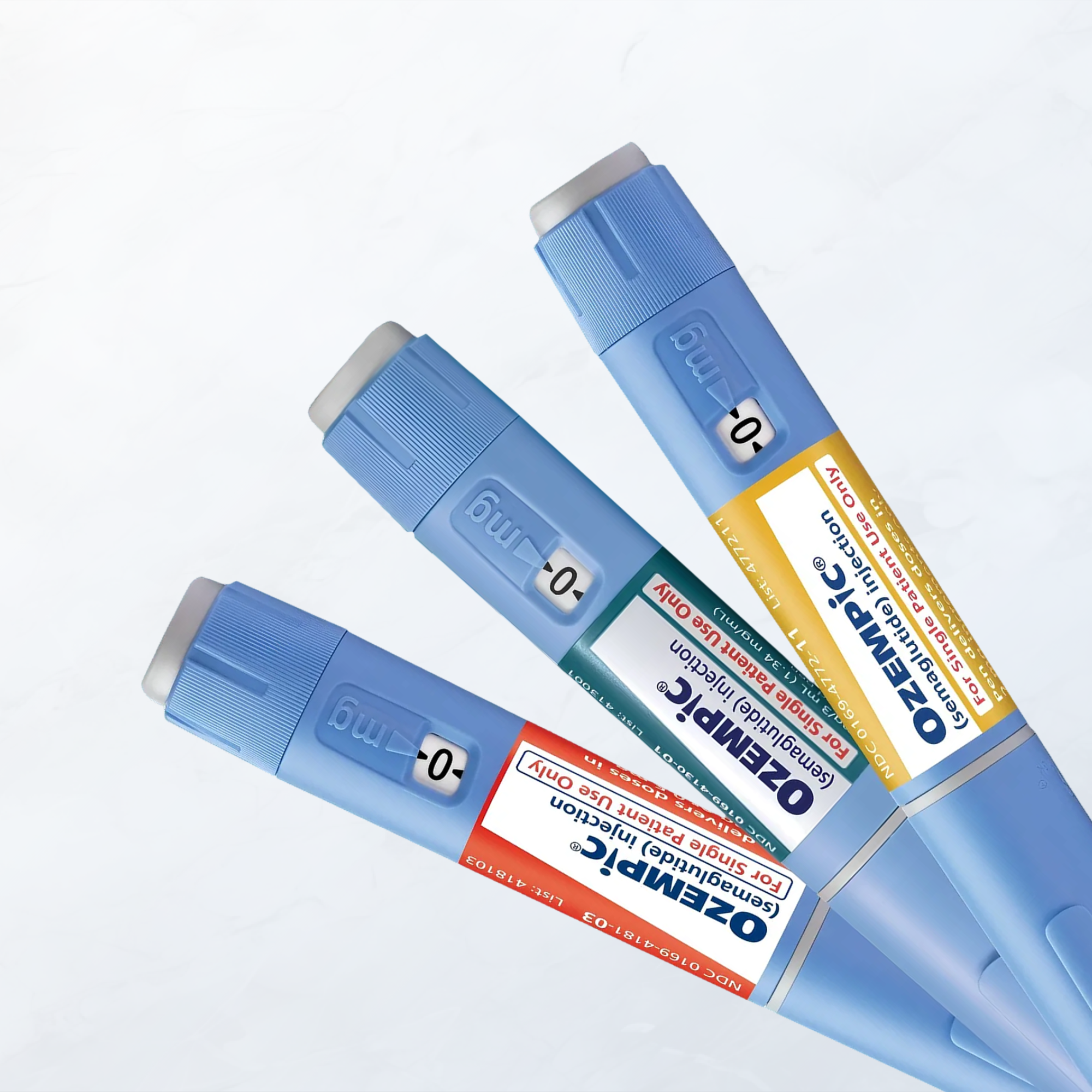
On January 4, 2026, Novo Nordisk's data exclusivity for semaglutide expired in Canada. Unlike most countries where patent protection extends into the 2030s, Canada found itself in a unique position after key Canadian patent protection lapsed earlier than expected due to a maintenance-fee issue.
While Novo Nordisk has stated this was a deliberate strategic decision rather than an oversight, the result is clear. Canada has become the first major Western market where generic semaglutide can be legally manufactured and sold, subject to Health Canada approval.
Read the official press release.
For Canadians managing type 2 diabetes or obesity, this loss of exclusivity could dramatically improve medication affordability. With over 11 million Canadians living with diabetes or prediabetes, and millions more affected by obesity, the potential impact is significant.
Brand-name semaglutide medications currently cost approximately $200 to 400 per month in Canada, varying by dose, pharmacy, and province:
These prices have been a significant barrier to access. Dr. Ehud Ur, a Vancouver endocrinologist, told The Canadian Press that "the biggest barrier to taking Ozempic is not side effects or worries about its efficacy but its cost. When you're talking about two, three, four hundred dollars a month, for a lot of people, that is just impossible."
Some manufacturers have suggested generic semaglutide prices could be 60 to 70% lower than branded versions, potentially as low as $60 to 70 per month in some scenarios. However, final pricing will depend on how many generic manufacturers enter the market, competition dynamics, and provincial and private reimbursement policies.
While data exclusivity ended on January 4, 2026, Canadians shouldn't expect to see generic semaglutide on pharmacy shelves immediately.
As of January 2026, Health Canada is reviewing nine submissions for generic semaglutide from companies including:
Health Canada's target review timeline is 180 days, though complex submissions can take longer.
Timing is uncertain. Sandoz has said it expects the market to take shape in the third quarter of 2026, depending on Health Canada's review process and any additional information requests.
The delay is due to semaglutide's complexity. Unlike traditional generic pills, semaglutide is a synthetic peptide delivered via injection pen. Because semaglutide is a complex synthetic product, Health Canada requires manufacturers to demonstrate that generic versions match the brand-name drug in safety, efficacy, and quality, without differences that could impact these factors. This is a more involved process than standard generic approvals.
The introduction of generic semaglutide is expected to have wide-ranging effects on Canada's healthcare landscape.
Some analysts expect substantial savings for Canada's healthcare system once generics penetrate the market, though the magnitude depends on uptake, pricing, and coverage decisions. In 2024 alone, Canadian insurers paid nearly $77 million in claims for weight-management drugs, a figure that nearly doubled year over year.
Affordability improvements may expand coverage:
Frédéric Leblanc, a pharmacist at iA Financial, notes that insurers are "preparing for everything we need to do so that everybody benefits from a lower price, both in diabetes and eventually in weight management."
Sandoz CEO Richard Saynor has described Canada as the world's second-largest GLP-1 market. There are concerns about cross-border demand, particularly from US patients seeking lower-cost alternatives.
British Columbia introduced restrictions in 2023 after large volumes of Ozempic were being dispensed through online and mail-order channels to US residents. The province later reported a dramatic drop in these prescriptions after the rule change. Generic availability could intensify cross-border pressure, though regulations prevent companies from exporting drugs if it would cause domestic shortages.
It's important to note that only semaglutide is losing patent protection. Other GLP-1 medications remain under patent:
Eli Lilly's medications (Mounjaro and Zepbound):
Tirzepatide works differently from semaglutide, targeting both GLP-1 and GIP receptors rather than GLP-1 alone. Eli Lilly has stated it "remains confident in the differentiated benefits of tirzepatide."
Facing generic competition, Novo Nordisk has taken several steps:
Launch of rebranded versions
In December 2025, Health Canada approved two Novo Nordisk rebranded versions on December 22:
These are identical to the branded versions but come in different packaging. This strategy allows Novo to compete in the generic market while maintaining some control. Novo Nordisk is "considering" introducing these to compete with generics once they enter the market.
Focus on next-generation products Novo is investing in next-generation GLP-1 therapies, including oral semaglutide formulations and combination drugs like CagriSema, which may offer enhanced efficacy compared to current products.
Health Canada requires generic medications to be pharmaceutically equivalent to brand-name drugs, meaning they must contain the same active ingredient in the same strength and dosage form. They must also demonstrate bioequivalence, that they work in the body the same way as the original. However, some patients may experience differences when switching between brands. Dr. Ehud Ur told The Canadian Press that generics should "theoretically" be the same as the brand, though occasionally patients don't have as good a response to generic medications.
Many insurance plans typically prefer or require the lower-cost generic version once available. If you're already approved for Ozempic or Wegovy, you may not need to submit a new request to switch to the generic equivalent, though policies vary by plan. However, if you prefer to stay on the branded version, you may need to pay the difference in cost, as most plans will only cover the lower-cost alternative.
Provincial coverage
Public coverage criteria vary by province and often require prior use of first-line therapy such as metformin before Ozempic for type 2 diabetes is covered. Wegovy for weight management remains largely uncovered by public plans, despite recent recommendations from Canada's Drug Agency. Generic availability could change this calculus as lower prices make coverage more feasible for provincial programs.
The expiry of Novo Nordisk's semaglutide patent protection in Canada represents a significant shift for diabetes and obesity treatment. While generic versions won't appear immediately, more affordable options are expected in 2026.
For people with diabetes who have found semaglutide medications financially out of reach, the coming months may bring new opportunities for treatment. Patients should work closely with their healthcare providers and pharmacists to understand their options when generics become available.
Last updated: January 2026. Information about generic semaglutide availability is subject to change based on Health Canada approval timelines.



.svg)