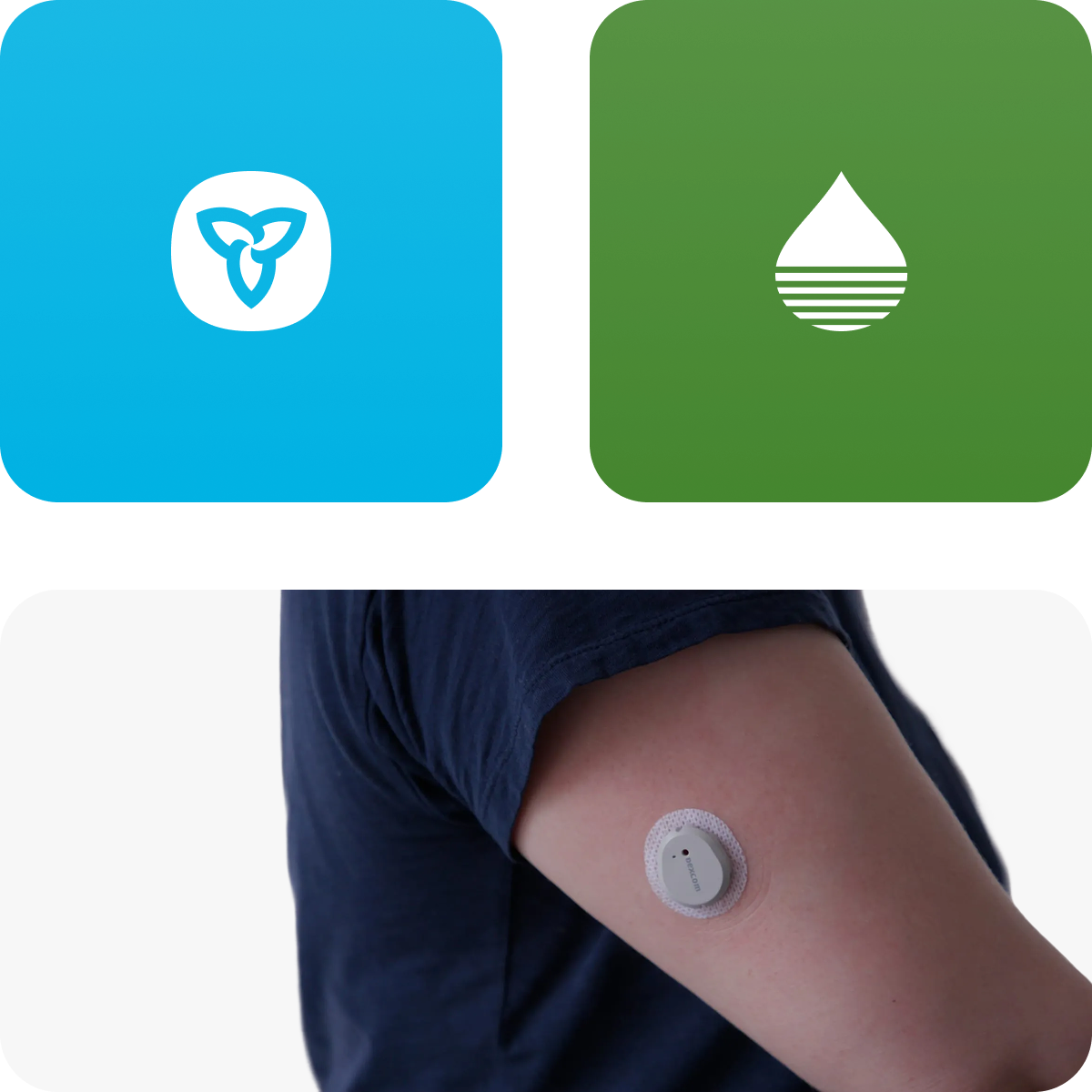
Ontario's Assistive Devices Program (ADP) provides funding for real-time continuous glucose monitoring systems (rtCGMs) for people with Type 1 diabetes who meet specific clinical criteria. Not everyone with Type 1 diabetes will qualify. Eligibility is limited to circumstances where standard blood glucose monitoring is not sufficient for safe and effective diabetes management.
To learn more about which CGM systems are available across Canada, visit Our Guide to Continuous Glucose Monitors in Canada.
ADP funding for CGM requires you to meet at least one of the following clinical criteria. All applicants must have Type 1 diabetes and be Ontario residents with a valid Ontario Health Card.
Young children and developmental considerations: If you are unable to recognize or communicate symptoms of hypoglycemia, or unable to independently perform fingerstick glucose testing because of your developmental stage or a previously diagnosed cognitive or physical impairment, you may qualify for CGM coverage. This criterion often applies to young children but can also apply to individuals of any age with cognitive or physical conditions that limit their ability to manage diabetes independently.
Documented severe hypoglycemia: You may qualify if you experienced severe hypoglycemia in the past 24 months without an obvious precipitant, despite optimized insulin therapy and glucose monitoring at least four times per day. Severe hypoglycemia must have resulted in one of the following: hospitalization or an emergency room visit, glucagon administration, seizure, loss of consciousness, or suspension of a driver's license.
ADP covers real-time continuous glucose monitoring systems that automatically send glucose readings every few minutes and offer alerts for high or low glucose levels. These differ from flash glucose monitoring systems like the FreeStyle Libre, which require manual scanning and do not provide automated alerts.
Currently approved real-time CGM systems include:
These devices meet Health Canada safety standards and provide continuous glucose data appropriate for people who meet ADP's high-risk criteria.
What the ADP funds:
What ADP does not cover:
👉 For the most current approved devices and quantities, review the ADP Product Manual for Continuous Glucose Monitoring Systems.
The application process requires documentation from your diabetes care team showing that you meet ADP criteria.
Step 1: Assessment with your DEP
Meet with a Diabetes Education Program registered with ADP. Your team will determine whether you meet the clinical eligibility requirements and will gather the necessary medical documentation.
Step 2: Complete application forms
Your prescriber, which may be a physician or nurse practitioner registered with the DEP, completes the ADP application. Documentation may include glucose logs, records of severe hypoglycemia, or confirmation of pregnancy with Type 1 diabetes.
Step 3: Submit and wait for approval
Your DEP submits your completed application to ADP. Processing usually takes two to eight weeks from the time the application is received.
Step 4: Receive your CGM system
Once approved, ADP notifies the vendor for your chosen device. The vendor will contact you directly to arrange delivery of your CGM system and supplies. You will receive sensors and transmitters aligned with the quantities approved for your 24 month funding period.
You must renew your ADP coverage every two years by confirming with your DEP that you continue to meet eligibility criteria. To maintain coverage, you must wear your CGM at least 70 percent of the time and continue regular follow-up with your diabetes care team.
👉 For application forms and details, visit the Ontario ADP website or speak with your registered Diabetes Education Program.
If you do not meet ADP criteria, there are other ways to access CGM technology.
Private insurance: Many employer and private insurance plans provide coverage for CGM systems, including both real-time CGM and flash glucose monitoring. Eligibility criteria vary and are often less restrictive than ADP. Check your policy for device coverage and limits.
Ontario Drug Benefit (ODB) for FreeStyle Libre and Dexcom G7: If you are eligible for ODB, you may have coverage for FreeStyle Libre 2, FreeStyle Libre 3 Plus, or Dexcom G7 sensors. ODB covers 33 sensors per year for Libre 2, 31 sensors per year for Libre 3 Plus, or up to 45 sensors per year for Dexcom G7. Coverage is available for any insulin-using Ontario resident who qualifies for ODB, regardless of diabetes type.
Out-of-pocket costs: You can purchase CGM systems directly without insurance. Costs vary by device and usually include the transmitter and receiver if needed, plus ongoing sensor costs that generally range from 250 to 400 dollars per month.
Managing your supplies and staying connected with your diabetes care team is important for safe and effective CGM use. The Endor Health app supports ongoing communication with your care team so questions about your CGM data or therapy can be addressed promptly. The app also provides convenient home delivery of insulin, prescription items, and CGM sensors at no added cost, helping reduce the risk of missed refills or last minute pharmacy visits.
The information in this article is for educational purposes only and should not replace advice from your healthcare provider. Always consult with your diabetes care team before making changes to your diabetes management.


.svg)
.svg)
