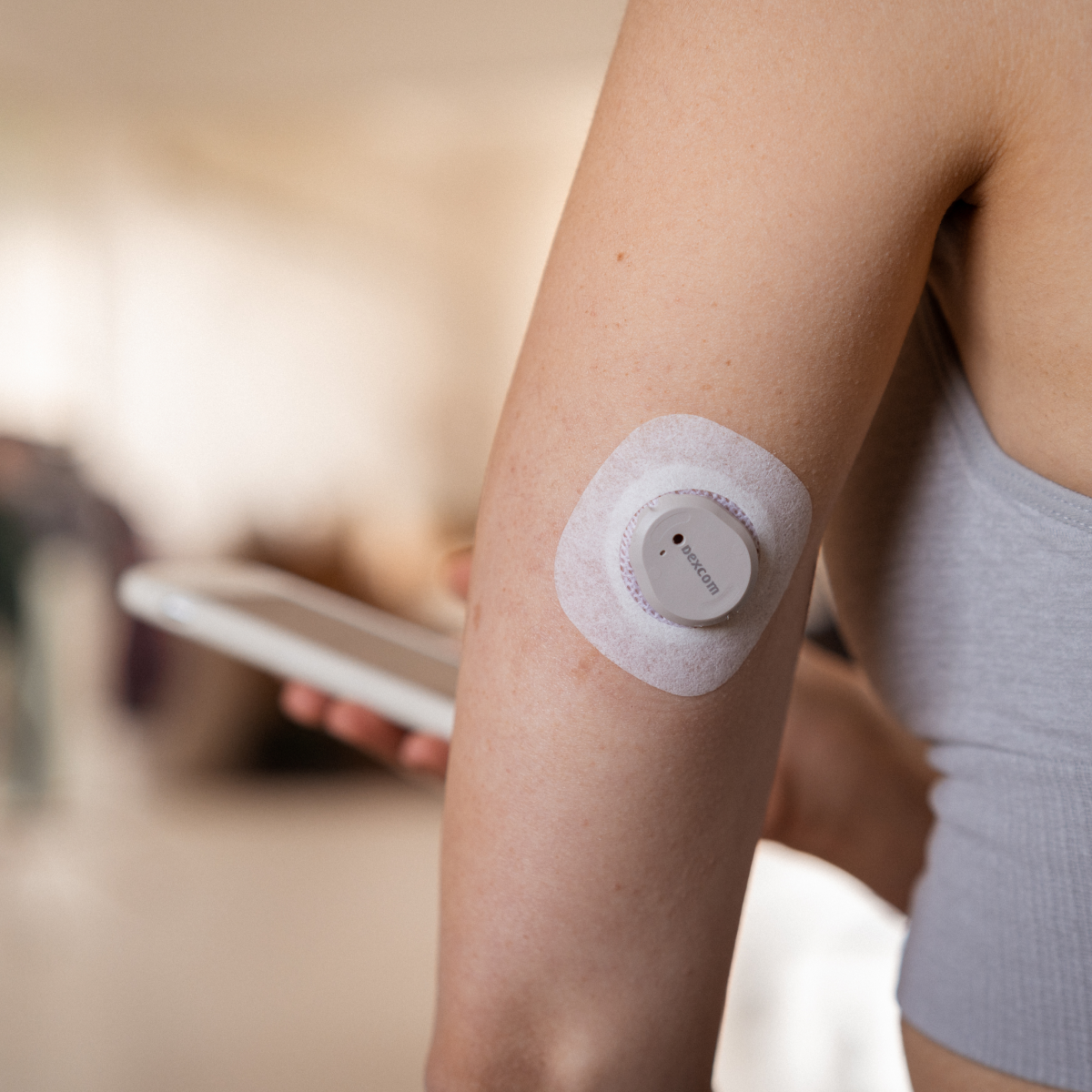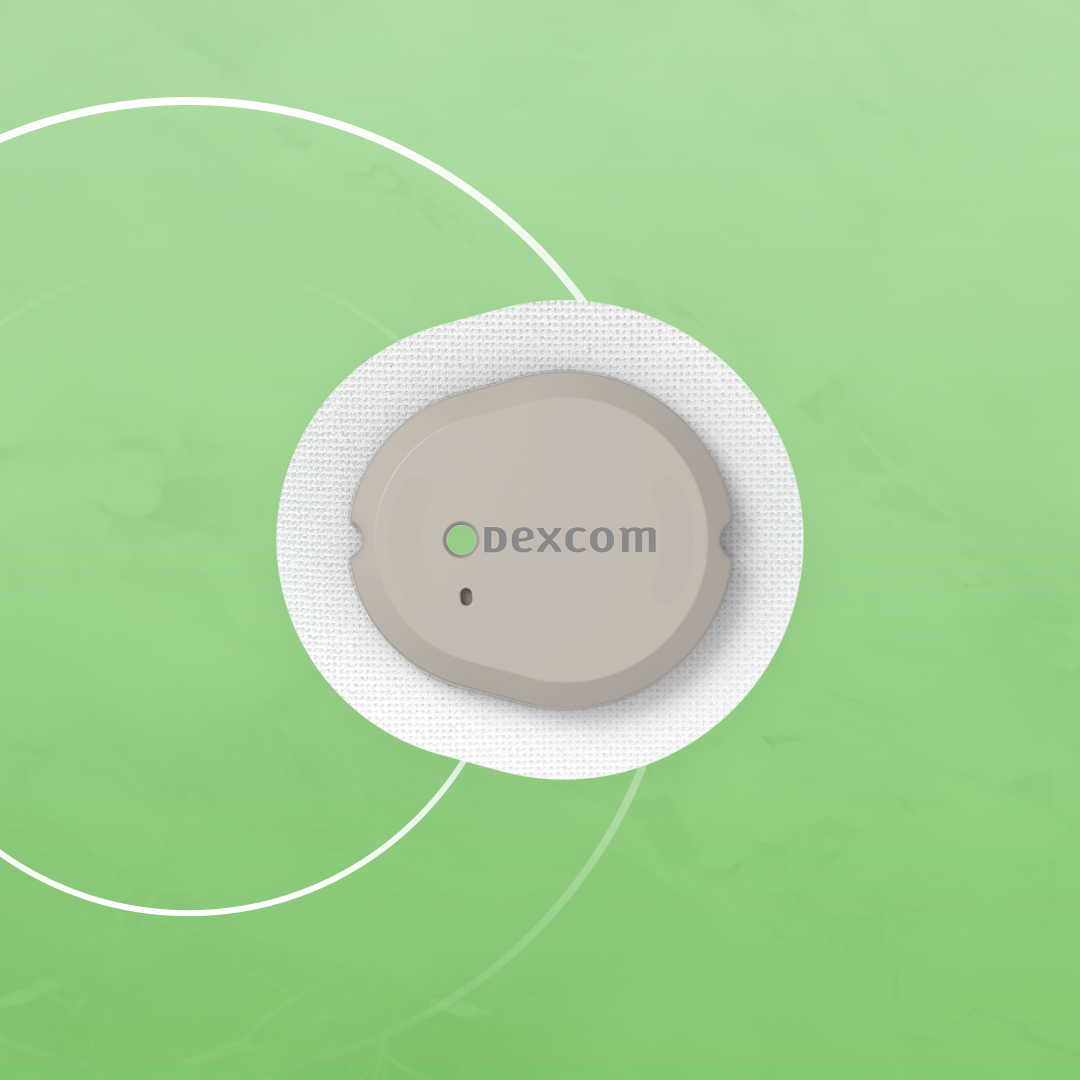
The most immediately noticeable change with the G7 is its physical design. Unlike previous systems that used separate sensor and transmitter components, the G7 integrates everything into a single, discreet wearable unit. This all-in-one sensor is roughly 60% smaller than the G6 sensor and transmitter combined, making it less noticeable under clothing and more comfortable during sleep or physical activity.
The streamlined design eliminates the need to snap a transmitter onto each new sensor. You simply apply the complete unit every 10 days, significantly simplifying the sensor change process. The smaller profile also means less bulk at the insertion site, which many users find particularly valuable during sports, swimming, or other activities where a lower profile matters.
The improvements in the G7 go beyond physical size. Dexcom focused on addressing specific user feedback and clinical needs that emerged from years of real-world G6 use.
Dramatically faster warmup: The 30-minute warmup time is a substantial improvement over the G6's two-hour wait. This means you can apply a new sensor in the morning and have reliable readings by the time you sit down for breakfast, or change your sensor before bed and wake up with full monitoring in place. For many users, this eliminates the planning and timing concerns that came with the longer warmup period.
Simplified sensor changes: With no separate transmitter to manage, track, or replace every three months, the G7 reduces the overall complexity of CGM use. You apply a complete new sensor unit every 10 days, and that's it. There's no wondering if your transmitter battery is getting low or keeping track of when you last replaced it.
Grace period option: When your 10-day sensor session ends, the G7 offers an optional 12-hour grace period. If you choose to use it, you can continue wearing your sensor for up to 12 additional hours while it continues to provide readings. This flexibility helps if you're traveling, in an important meeting, or simply not ready to change your sensor at that exact moment. You maintain continuous monitoring while you find a convenient time for the change.
Maintained accuracy with faster response: Clinical studies show the G7 maintains the high accuracy standards established by the G6, with a mean absolute relative difference (MARD) of approximately 8.2% in adults and 8.1% in pediatric users. The faster warmup doesn't compromise measurement quality.
If you're currently using the G6 or considering which Dexcom system to choose, this comparison will help you understand the practical differences between these two systems.
For many users, the G7 represents a meaningful improvement in convenience without compromising the accuracy and reliability established by the G6. Both G6 and G7 now support major AID systems in Canada (assuming current pump firmware), so the choice often depends on personal preference, coverage, and device features.
Choose the G7 if:
Choose the G6 if:
Every 10 days, you apply a fresh G7 sensor using the integrated one-button applicator. The insertion process is quick and designed to be as comfortable as possible. Approved wear sites include:
Each sensor provides 10 days of continuous monitoring. After a two-hour warmup period, the sensor works continuously until the 10-day session ends, at which point it automatically stops and you must start a new sensor.
Always follow the latest instructions from Dexcom Canada or your local regulator on approved wear sites, as these may change over time.
The 30-minute warmup begins immediately after application. During this brief period, the sensor calibrates itself and stabilizes. After warmup, the system provides continuous readings for the full 10-day session. When the session ends, you have the option to use the 12-hour grace period to extend monitoring until you're ready to apply a new sensor.
To ensure your sensor stays securely attached for the full wear period, preparation matters. Clean the insertion site thoroughly with soap and water, avoiding any lotions, oils, or moisturizers that might interfere with adhesion. Let the area dry completely before application.
Many users find that applying the sensor in the evening allows adhesive to set overnight, potentially improving overall adhesion during the 10-day session. If you engage in vigorous exercise, swimming, or activities that cause heavy sweating, you might consider using an overlay patch for additional security. Skin barrier wipes can help if you experience irritation or have sensitive skin.
The G7 measures glucose in the interstitial fluid (the fluid between your cells) rather than directly in your blood. This creates a physiological lag of approximately 5-10 minutes between changes in blood glucose and what the CGM displays. During stable glucose periods, this lag is minimal. During rapid rises or falls (such as after eating or during exercise), you may notice the CGM reading differs from a fingerstick test taken at the same moment. This is normal and affects all CGM systems.
Trend arrows indicate rate of change:
Exact arrow definitions are given in the Dexcom G7 user guide; the speeds above are practical approximations used in many clinical education materials. The arrow is often more important than the number itself. A glucose of 140 mg/dL with a flat arrow might not require action, while the same 140 mg/dL with double arrows down could mean you need to act quickly to prevent a low.
You can customize high and low glucose alerts to match your management goals. The Urgent Low Soon alert warns you when the system predicts you'll reach 55 mg/dL within approximately 20 minutes, giving you time to treat and prevent severe hypoglycemia.
You can adjust alert settings based on your schedule and preferences while the system maintains essential safety alerts.
Dexcom Clarity helps you identify meaningful patterns over days and weeks. The Ambulatory Glucose Profile (AGP) overlays multiple days onto a single 24-hour timeline, revealing consistent patterns that might not be obvious when looking at individual days.
Clarity reports show time in range, time above and below range, glucose variability, and a Glucose Management Indicator (GMI, sometimes historically called "estimated A1C"), along with trends that warrant attention. Your diabetes care team can review these reports between appointments to make proactive adjustments to your treatment plan.
The Dexcom Follow app lets you share your real-time glucose data with up to 10 followers who can receive alerts and monitor your readings. This provides peace of mind for parents monitoring children with diabetes, partners providing overnight support, and caregivers. You control who follows your data and what alerts they receive.
The G7's clinical validation demonstrates high accuracy with a MARD of approximately 8.2% in adults and 8.1% in pediatric participants. Accuracy remained consistent across all glucose ranges and throughout the full 10-day wear period.
Randomized trials such as DIAMOND and GOLD (using earlier Dexcom G4 CGM systems) demonstrated improved A1C, more time in range, less hypoglycemia, and better quality of life compared with fingerstick-only management. Given that G7 is more accurate than these older systems, it is reasonable to expect at least similar clinical benefits when used consistently, though long-term outcome data with G7 specifically are still evolving.
The G7 is indicated for people with diabetes ages 2 and older, including those with type 1, type 2, and gestational diabetes. While it's approved for all types of diabetes, it's most commonly prescribed for those on intensive insulin therapy (multiple daily injections or insulin pump therapy) because they can make immediate use of the detailed, real-time glucose information.
Successful use requires the ability to apply sensors, understand when readings might be inaccurate, respond appropriately to alerts, and basic device operation skills. As such, the system is not suitable for children under 2, or anyone unable to recognize and respond to hypoglycemia. High doses of acetaminophen (more than 1,000 mg every 6 hours in adults) can make Dexcom readings falsely higher than your actual blood sugar. If you routinely need high-dose acetaminophen or medications like hydroxyurea that interfere with CGM accuracy, work closely with your diabetes team and use fingerstick testing for critical decisions.
G7 sensors: In Canada, out-of-pocket pharmacy prices for Dexcom G7 sensors typically range around $84-$104 CAD per 10-day sensor (about $250-$310 per month for three sensors), with some pharmacies such as Costco on the lower end of that range. Dexcom Canada also offers a patient benefit/copay program that can provide up to 20% off the pharmacy sensor price.
Optional receiver: A G7 receiver usually costs in the range of $60-$80 CAD if needed.
Actual costs vary by province, pharmacy, and insurance coverage, so always verify your own pricing. Many private insurance plans cover CGM for people on intensive insulin therapy. Provincial coverage programs differ substantially across Canada.
Before ordering, verify your specific insurance coverage, provincial program eligibility, and out-of-pocket costs.
Getting started with the Dexcom G7 generally involves a few steps. A prescription is required when using insurance or provincial coverage programs, but it is not required for out-of-pocket purchases.
Timelines vary depending on insurance and pharmacy processing; some people start within a few weeks, others may wait longer depending on coverage approval.
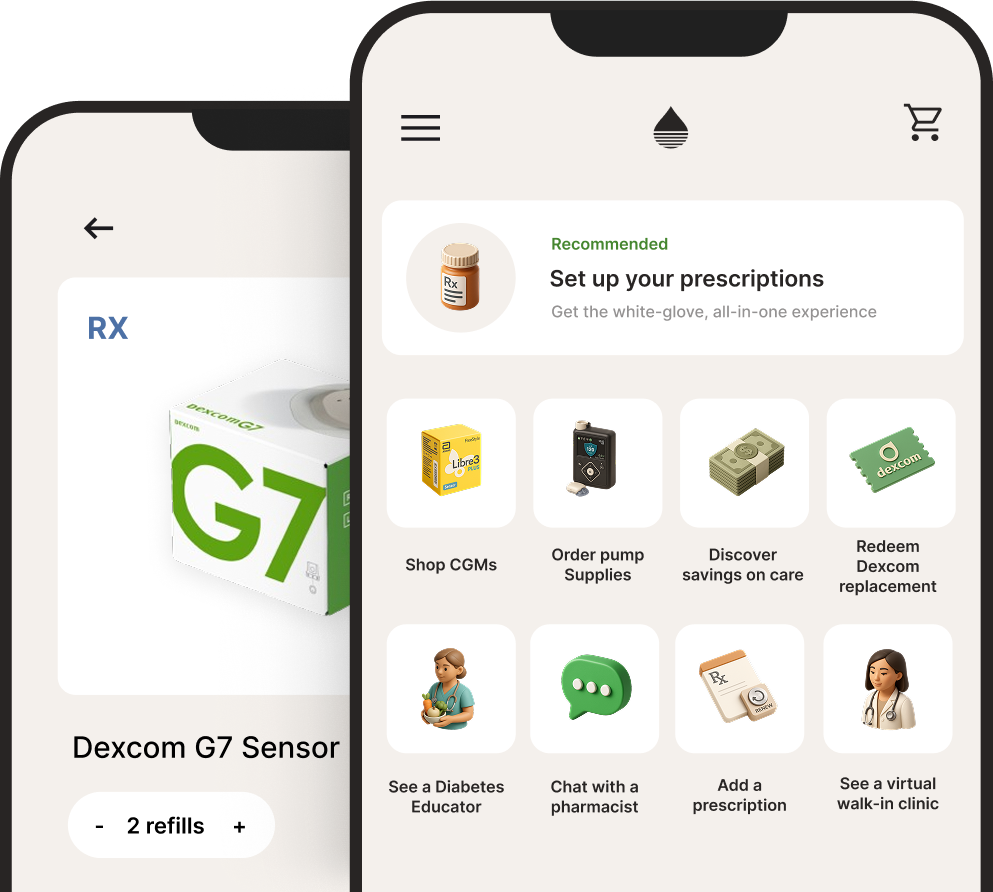
Endor Health makes it simple to access the Dexcom G7 with fast delivery and comprehensive support. We guide you through the entire process, from verifying coverage to getting your first sensor up and running. Download the Endor Health app to get started with the G7.
The information in this article is for educational purposes only and should not replace advice from your healthcare provider. Always consult with your diabetes care team before making changes to your diabetes management.
For more information:


.svg)
.svg)